Engineering Safer Solutions
for India’s Biomedical Waste Crisis
National Challenge
Biomedical Waste Crisis:
Critical Infrastructure Gap
The significant infrastructure gap between waste generation and treatment capacity represents both a critical national challenge and a strategic opportunity for indigenous solutions.
Daily BMW Generation
from 435,257+ facilities (CPCB, 2021)
Infrastructure Deficit
serving the entire nation
Growth Rate
705 tonnes (2022) → 743 tonnes (2023)
Indian Average Per Bed
vs High Income Country 500 gms/day (WHO)
Compliance Crisis
22,306 facilities violated rules in 2023
Underserviced Segments
Small Facilities
60% lack viable disposal options.
Rural Healthcare
PHCs & CHCs severely underserved.
Geographic Disparity
Urban centers have CBWTF concentration only.
Why Biomedical Waste Management Matters Now
Health & Safety Risks
Occupational Hazards
The following safety risks are demonstrated on the basis of Sharps as sample BMW category.
Healthcare Worker Injuries
1 in 10 healthcare workers experience needlestick injuries annually (WHO, 2022)
Disease Transmission Risk (from single exposure)
Global Impact of Unsafe Injections
- !33,800New HIV infections annually
- !1.7MHepatitis B infections annually
"60% of biomedical waste (infectious, plastics, sharps) requires specialized handling and treatment to prevent public health risks."
Traditional Solutions Analysis
Current Treatment Methods & Limitations
| Method | Capital Cost | Operational Cost | Environmental Impact | Scalability | Regulatory Status |
|---|---|---|---|---|---|
| Hospital Burners (Inadequate filtration) | ₹5–10 Lakhs | Moderate | Very High (toxic emissions) | Medium | Restricted |
| CBWTFs (Primarily incineration) | ₹50–60 Cr | Very High | High (despite filtration) | High | Restricted, but permitted |
| Autoclaving | ₹30–60 Lakhs | Moderate | Low-Moderate | Low | Limited scope (non-anatomical) |
Environmental Hazards
Even CBWTF incinerators release dioxins, furans, heavy metals (carcinogenic).
High Costs
CBWTF services prohibitively expensive for small healthcare facilities.
Limited Coverage
Only 234 CBWTFs nationwide, serving less than 40% facilities effectively.
Transportation Risks
Transporting waste to CBWTFs causes spills, accidents, cross-contamination.
Current methods rely heavily on incineration (whether at hospitals or CBWTFs) which is inefficient, costly, and environmentally harmful. This approach fails to meet the needs of India’s healthcare system—especially for smaller facilities and rural areas. Bio Vastum’s solution directly addresses these critical limitations with non-incineration technology.
Introducing
DIFRASO
A revolution in non-incineration automated biomedical waste treatment. Safe, scalable, and entirely indigenous.
Innovation Showcase
Research & Development
in Action
A visual look at the innovation, engineering, testing, and product development behind Bio Vastum Solutions.
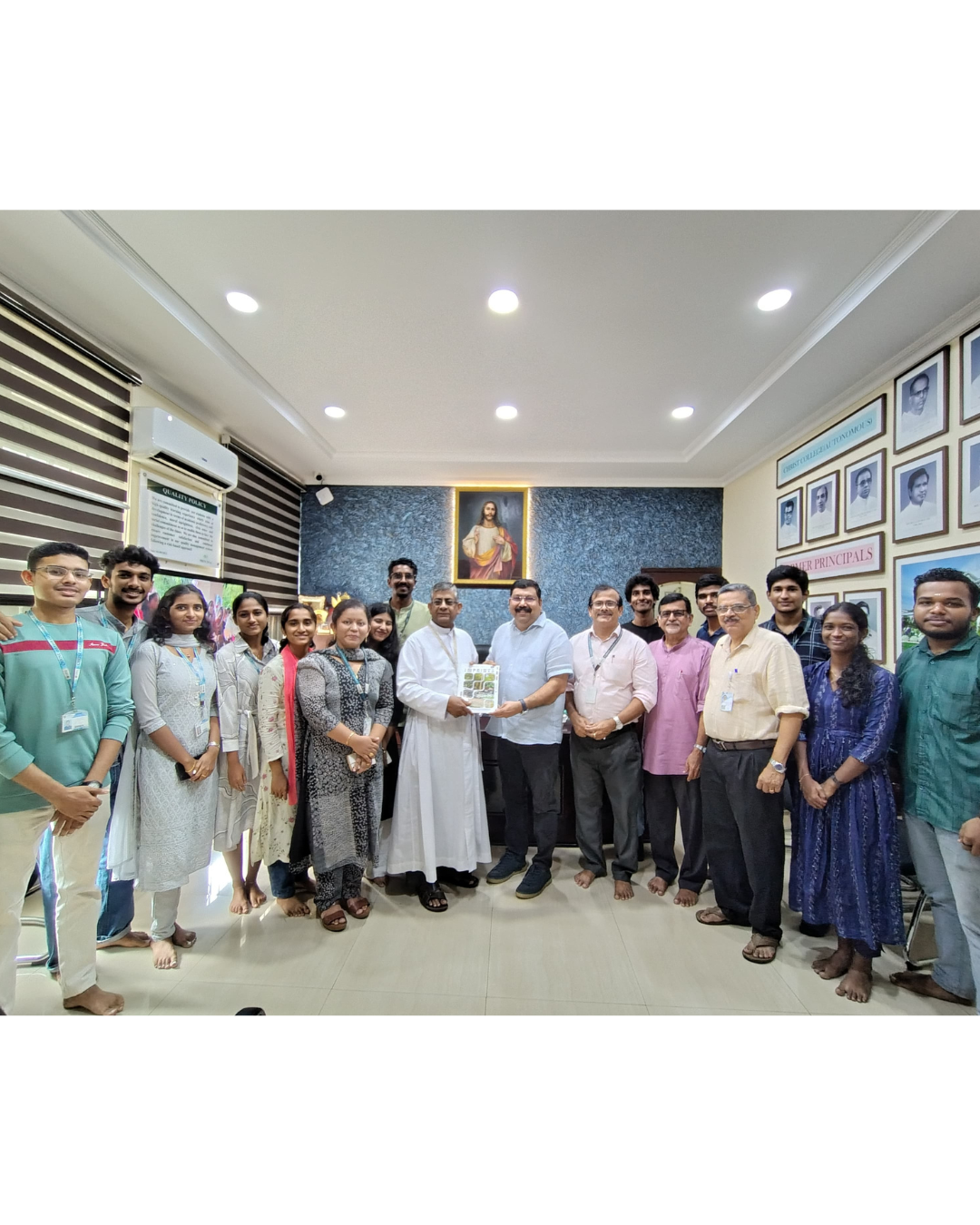
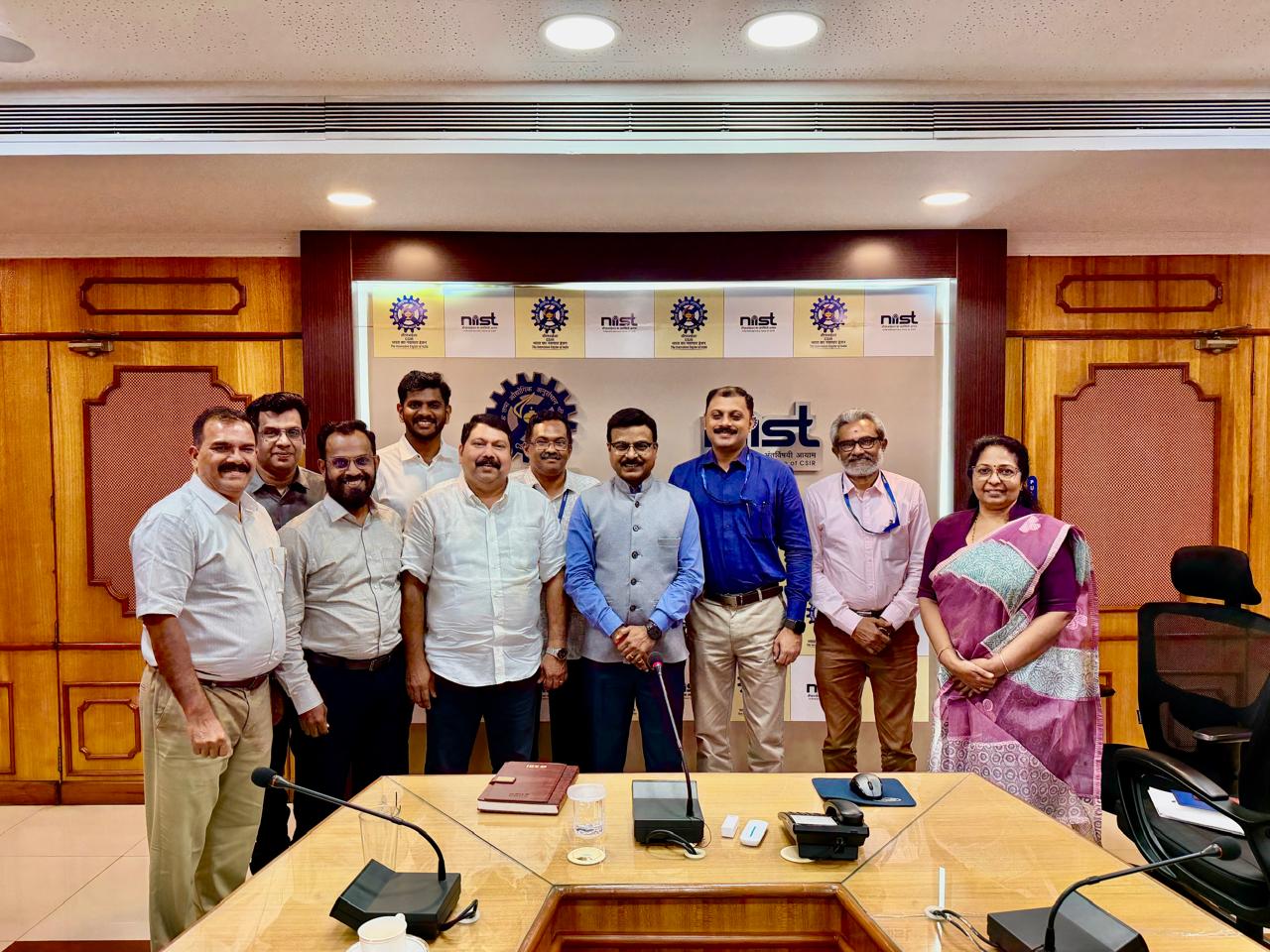
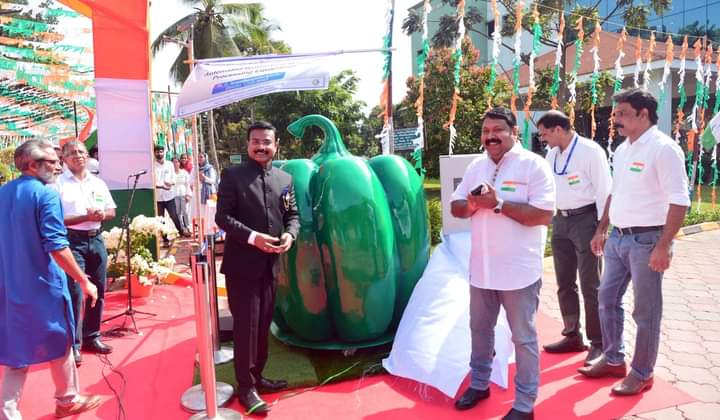
Bio Vastum Solutions Pvt. Ltd.
Innovation Foundation
2021
Registered start-up in Kerala and India.
Technology Partner
CSIR-NIIST. Exclusive global license.
27+ Patents
In three families. 7 more patents pending for the rig/equipment.
Innovation
World’s first automated biomedical waste treatment technology that converts BMW into soil additives indigenously.
Competitive Landscape &
Strategic Positioning
| Parameter | Difraso | Incineration | Autoclaving |
|---|---|---|---|
| Environmental Impact | Zero emissions | High emissions | Moderate emissions |
| Capital Investment | Low-Medium | Very High | Medium |
| Operating Cost | Very Low | Very High | Medium |
| Scalability | High | Medium | Limited |
| Regulatory Compliance | Exceeds | Under Stricter Norms | Compliant |
First-Mover
Only indigenous automated BMW-to-soil additive technology in India
Cost Leadership
70–80% cost advantage over traditional solutions
Environmental Excellence
Zero emissions vs toxic incineration byproducts
Government Backing
CSIR partnership provides credibility and R&D support
Bio Vastum combines emerging technology with established industrial expertise to deliver a solution that outperforms traditional methods across nearly all critical parameters, establishing a significant competitive advantage in the biomedical waste management sector.